
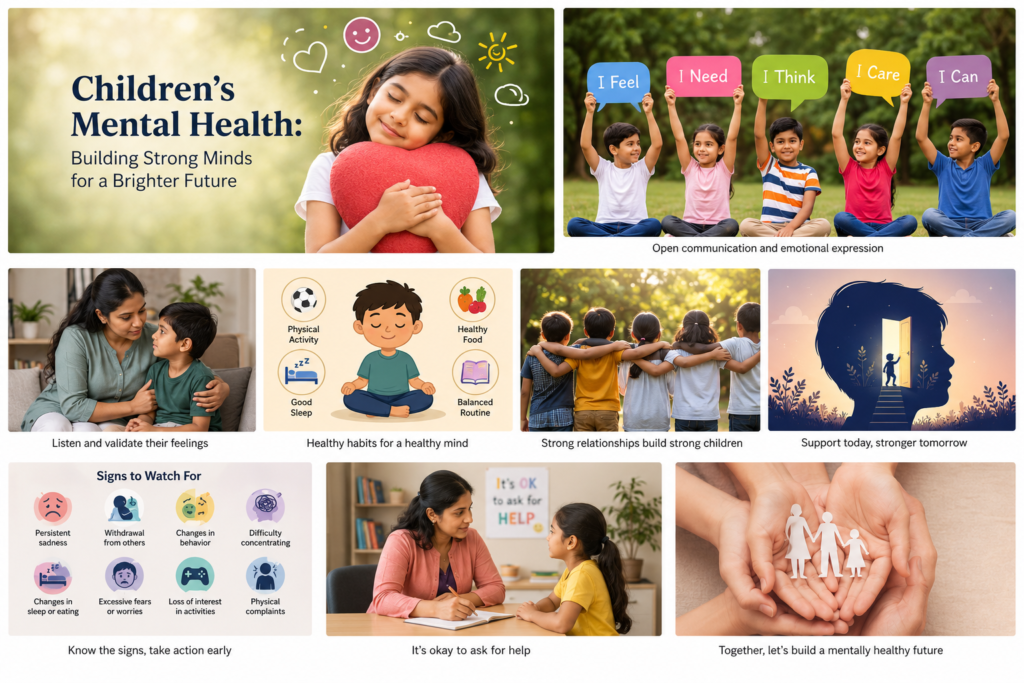
Children’s Mental Health: Building Strong Minds for a Brighter Future
Mental health is just as important as physical health, especially during childhood. The early years of life play a crucial role in shaping a child’s emotional well-being, behavior, relationships, and ability to cope with life’s challenges. When children have strong mental health, they are more likely to develop confidence, resilience, and healthy social connections.
Why Children’s Mental Health Matters
Mental health affects how children think, feel, learn, and interact with others. A child with good mental health can:
- Build positive relationships with family and friends
- Express emotions in healthy ways
- Cope with stress and setbacks
- Learn effectively in school
- Develop self-confidence and self-esteem
However, mental health challenges can impact children of all ages, regardless of their background. Early recognition and support can make a significant difference in a child’s life.
Common Mental Health Challenges in Children
Children may experience a variety of mental health concerns, including:
Anxiety Disorders
Children with anxiety may worry excessively about school, social situations, family issues, or everyday activities. Symptoms may include restlessness, sleep difficulties, and avoidance behaviors.
Depression
Depression in children can appear as persistent sadness, irritability, loss of interest in activities, changes in eating or sleeping habits, and feelings of hopelessness.
Attention-Deficit/Hyperactivity Disorder (ADHD)
ADHD can affect a child’s ability to focus, control impulses, and manage behavior, impacting academic performance and social relationships.
Behavioral and Emotional Disorders
Some children may struggle with anger management, emotional regulation, or disruptive behaviors that interfere with daily life.
Signs Parents and Caregivers Should Watch For
While every child is different, certain warning signs may indicate emotional distress:
- Persistent sadness or frequent mood swings
- Withdrawal from friends and family
- Sudden changes in behavior or academic performance
- Difficulty concentrating
- Excessive fears or worries
- Changes in sleeping or eating habits
- Frequent complaints of headaches or stomachaches without a medical cause
- Loss of interest in activities they once enjoyed
If these signs persist for several weeks or begin affecting daily functioning, professional support may be beneficial.
Supporting Children’s Mental Health
Encourage Open Communication
Create a safe environment where children feel comfortable expressing their feelings without fear of judgment.
Build Strong Relationships
Positive connections with parents, caregivers, teachers, and peers provide emotional security and support.
Promote Healthy Habits
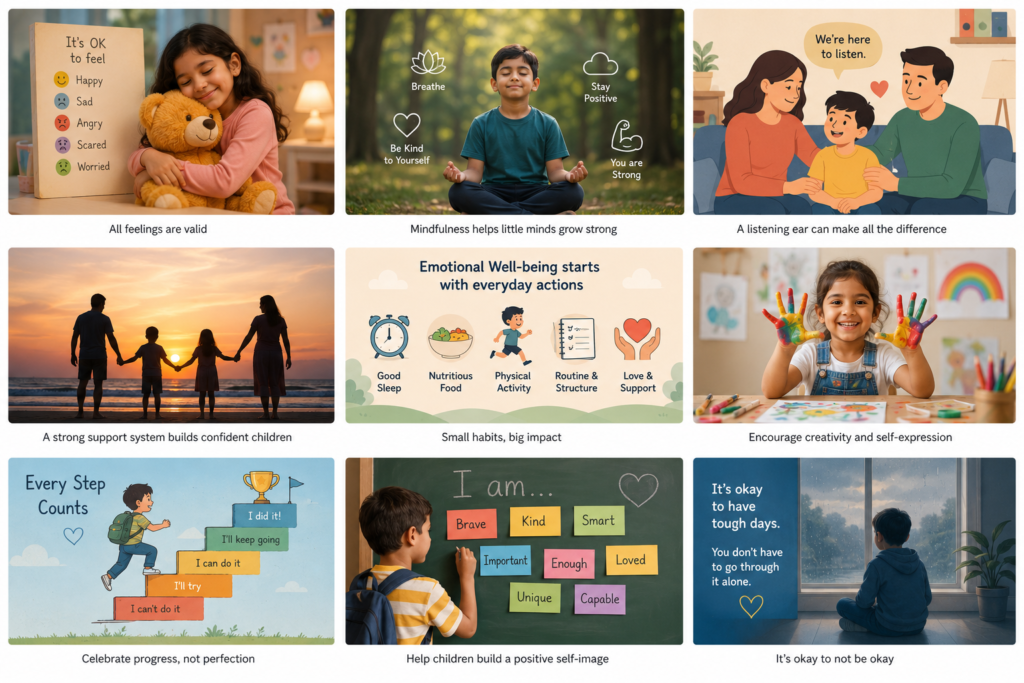
Regular physical activity, balanced nutrition, sufficient sleep, and limited screen time contribute to better mental well-being.
Teach Emotional Skills
Help children identify, understand, and manage their emotions. Encourage problem-solving and healthy coping strategies.
Be a Positive Role Model
Children learn by observing adults. Demonstrating healthy emotional expression and stress management can help them develop similar skills.
The Role of Schools and Communities
Schools and communities play a vital role in promoting mental health awareness. Programs that encourage emotional learning, anti-bullying initiatives, and access to counseling services can help create supportive environments where children can thrive.
When to Seek Professional Help
Seeking professional support is a sign of strength, not weakness. Mental health professionals can provide assessments, counseling, and interventions tailored to a child’s unique needs. Early support often leads to better outcomes and helps prevent challenges from becoming more severe.
Creating a Mentally Healthy Future
Every child deserves the opportunity to grow up feeling safe, valued, and supported. By prioritizing children’s mental health, we invest in healthier families, stronger communities, and a brighter future for the next generation.
Together, we can break the stigma surrounding mental health and ensure that every child has the support they need to flourish.
Leave a Reply