Blog

Anxiety Disorders !!
Anxiety disorders are a type of mental health condition. Anxiety makes it difficult to get through your day. Symptoms include feelings of nervousness, panic and fear as well as sweating and a rapid heartbeat. Treatments include medications and cognitive behavioural therapy. Your healthcare can design a treatment plan that’s best for you.
What is an anxiety disorder?
An anxiety disorder is a type of mental health condition. If you have an anxiety disorder, you may respond to certain things and situations with fear and dread. You may also experience physical signs of anxiety, such as a pounding heart and sweating.
It’s normal to have some anxiety. You may feel anxious or nervous if you have to tackle a problem at work, go to an interview, take a test or make an important decision. And anxiety can even be beneficial. For example, anxiety helps us notice dangerous situations and focuses our attention, so we stay safe.
But an anxiety disorder goes beyond the regular nervousness and slight fear you may feel from time to time. An anxiety disorder happens when:
- Anxiety interferes with your ability to function.
- You often overreact when something triggers your emotions.
- You can’t control your responses to situations.
Anxiety disorders can make it difficult to get through the day. Fortunately, there are several effective treatments for anxiety disorders.
Who is at risk for anxiety disorders?
A mix of genetic and environmental factors can raise a person’s risk for developing anxiety disorders. You may be at higher risk if you have or had:
- Certain personality traits, such as shyness or behavioural inhibition — feeling uncomfortable with, and avoiding, unfamiliar people, situations or environments.
- Stressful or traumatic events in early childhood or adulthood.
- Family history of anxiety or other mental health conditions.
- Certain physical conditions, including thyroid problems and heart arrhythmias (unusual heart rhythms).
Anxiety disorders occur more often in women. Researchers are still studying why that happens. It may come from women’s hormones, especially those that fluctuate throughout the month. The hormone testosterone may play a role, too — men have more, and it may ease anxiety. It’s also possible that women are less likely to seek treatment, so the anxiety worsens.
What are the types of anxiety disorders?
There are several types of anxiety disorders, including:
Other mental health conditions share features with anxiety disorders. These include post-traumatic stress disorder and obsessive-compulsive disorder.
What is generalized anxiety disorder (GAD)?
With GAD, you may feel extreme and unrealistic worry and tension — even if there’s nothing to trigger these feelings. Most days, you may worry a lot about various topics, including health, work, school and relationships. You may feel that the worry continues from one thing to the next.
Physical symptoms of GAD can include restlessness, difficulty concentrating and sleeping problems.
What is a panic disorder?
If you have a panic disorder, you get intense, sudden panic attacks. These attacks often feature stronger, more intense feelings than other types of anxiety disorders.
The feelings of terror may start suddenly and unexpectedly or they may come from a trigger, like facing a situation you dread. Panic attacks can resemble heart attacks. If there’s any chance you’re experiencing a heart attack, go to the emergency room. It’s better to err on the side of caution and have a healthcare professional check you.
During a panic attack, you may experience:
- Sweating.
- Heart palpitations (feeling like your heart is pounding).
- Chest pain.
- Feeling of choking, which can make you think you’re having a heart attack or “going crazy.”
Panic attacks are very upsetting. People with panic disorder often spend a lot of time worrying about the next panic attack. They also try to avoid situations that might trigger an attack.
What are phobias?
Phobias are an intense fear of certain situations or objects. Some of these fears may make sense, such as a fear of snakes. But often, the level of fear doesn’t match the situation.
Like with other anxiety disorders, you may spend a lot of time trying to avoid situations that may trigger the phobia.
A specific phobia, or a simple phobia, is an intense fear of a particular object or situation. It may cause you to avoid everyday situations. Some specific phobias include fear of:
- Animals, such as spiders, dogs or snakes.
- Blood.
- Flying.
- Heights.
- Injections (shots).
Social anxiety disorder
Healthcare providers used to call this condition social phobia. You may have overwhelming worry and self-consciousness with daily social situations. You may worry about others judging you or you may be anxious that you’ll embarrass yourself or open yourself up to ridicule. People with social anxiety disorder may avoid social situations entirely.
Agoraphobia
If you have agoraphobia, you may have an intense fear of being overwhelmed or unable to get help. Usually, you have a fear of two or more of these environments:
- Enclosed spaces.
- Lines or crowds.
- Open spaces.
- Places outside your house.
- Public transportation.
In severe situations, a person with agoraphobia may not leave the house at all. They’re so terrified of having a panic attack in public that they prefer to stay inside.
What is separation anxiety disorder?
This condition mostly happens to children or teens, who may worry about being away from their parents. Children with separation anxiety disorder may fear that their parents will be hurt in some way or not come back as promised. It happens a lot in pre-schoolers. But older children and adults who experience a stressful event may have separation anxiety disorder as well.
How common are anxiety disorders?
Anxiety disorders are the most common mental health conditions in the U.S. They affect about 40 million Americans. They happen to nearly 30% of adults at some point. Anxiety disorders most often begin in childhood, adolescence or early adulthood.
How do anxiety disorders affect children?
It’s normal for children to feel some amount of anxiety, worry or fear at certain points. For example, a child may feel scared of a thunderstorm or barking dog. A teenager might get anxious about an upcoming test or school dance.
But sometimes, children approach these situations with overwhelming dread or they can’t stop thinking about all the fears tied to one of these events. It may seem that none of your comforts help. These children often get “stuck” on their worries. They have a hard time doing their daily activities, like going to school, playing and falling asleep. They’re extremely reluctant to try something new.
When thinking about your child’s anxiety levels, “getting stuck” is key. It separates the regular worries of childhood from an anxiety disorder that needs professional help. If the anxiety or worry interferes with your child’s ability to function, it may be time to seek help
SYMPTOMS AND CAUSES
What causes anxiety disorders?
Anxiety disorders are like other forms of mental illness. They don’t come from personal weakness, character flaws or problems with upbringing. But researchers don’t know exactly what causes anxiety disorders. They suspect a combination of factors plays a role:
- Chemical imbalance: Severe or long-lasting stress can change the chemical balance that controls your mood. Experiencing a lot of stress over a long period can lead to an anxiety disorder.
- Environmental factors: Experiencing a trauma might trigger an anxiety disorder, especially in someone who has inherited a higher risk to start.
- Heredity: Anxiety disorders tend to run in families. You may inherit them from one or both parents, like eye color.
What are the symptoms of an anxiety disorder?
Symptoms vary depending on the type of anxiety disorder you have. General symptoms of an anxiety disorder include:
- Cold or sweaty hands.
- Dry mouth.
- Heart palpitations.
- Nausea.
- Numbness or tingling in hands or feet.
- Muscle tension.
- Shortness of breath.
- Feeling panic, fear and uneasiness.
- Nightmares.
- Repeated thoughts or flashbacks of traumatic experiences.
- Uncontrollable, obsessive thoughts.
Behavioural symptoms:
- Inability to be still and calm.
- Ritualistic behaviours, such as washing hands repeatedly.
- Trouble sleeping.
How do I know if my child has an anxiety disorder?
Anxiety-related problems in children share four common features. The anxiety:
- Is typically a fear or fixation that interferes with the ability to enjoy life, get through the day or complete tasks.
- Is puzzling to both the child and parents.
- Does not improve after logical explanations to address the worries.
- Is treatable.
DIAGNOSIS AND TESTS
How are anxiety disorders diagnosed?
If you have symptoms of an anxiety disorder, talk to your healthcare provider. They’ll start with a complete medical history and physical examination.
There are no lab tests or scans that can diagnose anxiety disorders. But your provider may run some of these tests to rule out physical conditions that may be causing symptoms.
Who can diagnose anxiety disorders?
If your provider finds no signs of physical illness, they may refer you to a psychiatrist or psychologist. These mental health professionals specialize in diagnosing and treating mental illnesses. They may use specially designed interview and assessment tools to figure out if you have an anxiety disorder. Typically, the provider bases a diagnosis on:
- Your reported symptoms, including how intense they are and how long they last.
- Discussion of how the symptoms interfere with your daily life.
- The provider’s observation of your attitude and behavior.
Providers also consult the Diagnostic and Statistical Manual of Mental Disorders (DSM-5). The American Psychiatric Association publishes the DSM-5. It’s the standard reference manual for diagnosing mental illnesses.
MANAGEMENT AND TREATMENT
How are anxiety disorders treated?
An anxiety disorder is like any other health problem that requires treatment. You can’t will it away. It’s not a matter of self-discipline or attitude. Researchers have made a lot of progress in the last few decades in treating mental health conditions. Your healthcare provider will tailor a treatment plan that works for you. Your plan may combine medication and psychotherapy.
How does medication treat anxiety disorders?
Medications can’t cure an anxiety disorder. But they can improve symptoms and help you function better. Medications for anxiety disorders often include:
- Anti-anxiety medications, such as benzodiazepines, may decrease your anxiety, panic and worry. They work quickly, but you can build up a tolerance to them. That makes them less effective over time. Your healthcare provider may prescribe an anti-anxiety medication for the short-term, then taper you off or the provider may add an antidepressant to the mix.
- Antidepressants can also help with anxiety disorders. They tweak how your brain uses certain chemicals to improve mood and reduce stress. Antidepressants may take some time to work, so be patient. If you feel like you’re ready to stop taking antidepressants, talk to your provider first.
- Beta-blockers, usually used for high blood pressure, can help reduce some of the physical symptoms of anxiety disorders. They can relieve rapid heartbeat, shaking and trembling.
Your healthcare provider will work with you to find the right medication combination and dosage. Don’t change the dose without consulting your provider. They’ll monitor you to make sure the medicines are working without causing negative side effects.
How does psychotherapy treat anxiety disorders?
Psychotherapy, or counselling, helps you deal with your emotional response to the illness. A mental health provider talks through strategies to help you better understand and manage the disorder. Approaches include:
- Cognitive behavioural therapy (CBT) is the most common type of psychotherapy used with anxiety disorders. CBT for anxiety teaches you to recognize thought patterns and behaviours that lead to troublesome feelings. You then work on changing them.
- Exposure therapy focuses on dealing with the fears behind the anxiety disorder. It helps you engage with activities or situations you may have been avoiding. Your provider may also use relaxation exercises and imagery with exposure therapy.
What happens if I don’t get treatment for my child with an anxiety disorder?
Getting your child help for an anxiety disorder can improve their development and self-esteem. But untreated anxiety disorders can harm:
- Family relationships.
- School performance.
- Social functioning.
Your child may also end up with more serious mental and physical health problems. Fortunately, there are several treatments for anxiety disorders. The right treatment can help your child manage their symptoms and feel their best.
PREVENTION
Can anxiety disorders be prevented?
You can’t prevent anxiety disorders. But you can take steps to control or reduce your symptoms:
- Check out medications: Talk to a healthcare provider or pharmacist before taking over-the-counter medications or herbal remedies. Some of these contain chemicals that may make anxiety symptoms worse.
- Limit caffeine: Stop or limit how much caffeine you consume, including coffee, tea, cola and chocolate.
- Live a healthy lifestyle: Exercise regularly and eat a healthy, balanced diet.
- Seek help: Get counselling and support if you experienced a traumatic or disturbing event. Doing so can help prevent anxiety and other unpleasant feelings from disrupting your life.
OUTLOOK / PROGNOSIS
What’s the outlook for people with anxiety disorders?
Anxiety disorders can often go undiagnosed and untreated. Fortunately, treatment can help. The right treatment can help improve your quality of life, relationships and productivity. It can also support your overall well-being.
You don’t need to live with constant worry and fear. If you notice symptoms of an anxiety disorder, talk to your healthcare provider. It’s best to get diagnosed and treated as soon as possible. Doing so can limit the problems that anxiety disorders can cause. Often, a combination of medications and counselling for anxiety can help you feel your best.
LIVING WITH
How can I best cope with an anxiety disorder?
There are several steps you can take to cope with anxiety disorder symptoms. These strategies can also make your treatment more effective:
- Explore stress management: Learn ways to manage stress, such as through meditation.
- Join support groups: These groups are available in-person and online. They encourage people with anxiety disorders to share their experiences and coping strategies.
- Get educated: Learn about the specific type of anxiety disorder you have so you feel more in control. Help friends and loved ones understand the disorder as well so they can support you.
- Limit or avoid caffeine: Many people with anxiety disorder find that caffeine can worsen their symptoms.
- Talk to your healthcare provider: Your provider is your partner in your care. If you feel like treatment isn’t working or have questions about your medication, contact your provider. Together, you can figure out how to best move forward.
How is irritable bowel syndrome (IBS) related to anxiety disorders?
Some people feel the effects of stress in their stomachs. People with IBS have uncomfortable problems with digestion, including stomach pain, constipation and diarrhoea. They also frequently have anxiety and depression, which can make symptoms worse.
The connection between IBS and anxiety comes from the nervous system partly controlling the colon. The nervous system’s response to stress may affect the stomach. Among people who get treated for IBS, anywhere from 50% to 90% may also have an anxiety disorder or depression. Treatment for IBS may include stress management and psychotherapy to relieve symptoms.
When should I go to the emergency room for an anxiety disorder?
Symptoms of an anxiety disorder can resemble symptoms of a heart attack or another health emergency. If you’re experiencing an anxiety attack for the first time, or you’re concerned in any way about your health, call 911 or head to the nearest ER. A healthcare provider will check you for serious or life-threatening conditions.
If you’re having an anxiety attack and unsure whether you should head to an ER or not, it’s better to go. Healthcare professionals can make sure you’re OK and give you any necessary treatment.
What else should I ask my healthcare provider?
If you have an anxiety disorder, ask your provider:
- What’s the best treatment for me?
- Do I need medication? What type?
- How long should I take medication?
- What type of psychotherapy will work best?
- What else can I do to manage my symptoms?
- What other conditions am I at risk for?
A note from Cleveland Clinic
An anxiety disorder can make it difficult to get through your day. Anxiety disorder symptoms include feelings of nervousness, panic and fear. You may also have physical symptoms such as sweating and a rapid heartbeat. But you don’t need to live like this. Several effective anxiety disorder treatments are available. Talk to your healthcare provider to figure out your diagnosis and the best treatment plan. Often, treatment combines medications and therapy. Anti-anxiety medications and antidepressants, together with CBT, can help you feel your best.
Bi Polar Disorders !!
What are Bi Polar Disorders ?
Bipolar disorder is a brain disorder that causes changes in a person’s mood, energy, and ability to function. People with bipolar disorder experience intense emotional states that typically occur during distinct periods of days to weeks, called mood episodes. These mood episodes are categorized as manic/hypomanic (abnormally happy or irritable mood) or depressive (sad mood). People with bipolar disorder generally have periods of neutral mood as well. When treated, people with bipolar disorder can lead full and productive lives.
People without Bi Polar Disorders experience mood fluctuations as well. However, these mood changes typically last hours rather than days. Also, these changes are not usually accompanied by the extreme degree of behaviour change or difficulty with daily routines and social interactions that people with bipolar disorder demonstrate during mood episodes. Bipolar disorder can disrupt a person’s relationships with loved ones and cause difficulty in working or going to school.
Bipolar disorder is a category that includes three different diagnoses: bipolar I, bipolar II, and cyclothymic disorder.
Bi Polar Disorders commonly runs in families: 80 to 90 percent of individuals with bipolar disorder have a relative with bipolar disorder or depression. Environmental factors such as stress, sleep disruption, and drugs and alcohol may trigger mood episodes in vulnerable people. Though the specific causes of bipolar disorder within the brain are unclear, an imbalance of brain chemicals is believed to lead to dysregulated brain activity. The average age of onset is 25 years old.
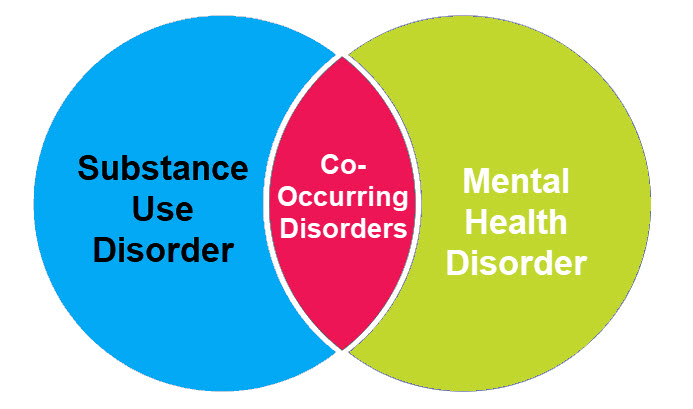
People with bipolar I disorder frequently have other mental disorders such as anxiety disorders, substance use disorders, and/or attention-deficit/hyperactivity disorder (ADHD). The risk of suicide is significantly higher among people with bipolar I disorder than among the general population.
Symptoms of Bipolar Disorders
Bi Polar Disorders Manic Episode
A manic episode is a period of at least one week when a person is extremely high-spirited or irritable most of the day for most days, possesses more energy than usual, and experiences at least three of the following changes in behavior:
- Decreased need for sleep (e.g., feeling energetic despite significantly less sleep than usual
- Increased or faster speech
- Uncontrollable racing thoughts or quickly changing ideas or topics when speaking
- Distractibility
- Increased activity (e.g., restlessness, working on several projects at once)
- Increased risky behavior (e.g., reckless driving, spending sprees)
These behaviors must represent a change from the person’s usual behavior and be clear to friends and family. Symptoms must be severe enough to cause dysfunction in work, family, or social activities and responsibilities. Symptoms of a manic episode commonly require a person to receive hospital care to stay safe.
Some people experiencing manic episodes also experience disorganized thinking, false beliefs, and/or hallucinations, known as psychotic features.
Hypomanic Episode
A hypomanic episode is characterized by less severe manic symptoms that need to last only four days in a row rather than a week. Hypomanic symptoms do not lead to the major problems in daily functioning that manic symptoms commonly cause.
Major Depressive Episode
A major depressive episode is a period of at least two weeks in which a person has at least five of the following symptoms (including at least one of the first two symptoms):
- Intense sadness or despair
- Loss of interest in activities the person once enjoyed
- Feelings of worthlessness or guilt
- Fatigue
- Increased or decreased sleep
- Increased or decreased appetite
- Restlessness (e.g., pacing) or slowed speech or movement
- Difficulty concentrating
- Frequent thoughts of death or suicide
Bi Polar Disorders !!
Treatment and Management
Bipolar disorder symptoms commonly improve with treatment. Medication is the cornerstone of bipolar disorder treatment, though talk therapy (psychotherapy) can help many patients learn about their illness and adhere to medications, preventing future mood episodes.
Medications known as “mood stabilizers” (e.g., lithium) are the most commonly prescribed type of medications for bipolar disorder. These medications are believed to correct imbalanced brain signaling. Because bipolar disorder is a chronic illness in which mood episodes typically recur, ongoing preventive treatment is recommended. Bipolar disorder treatment is individualized; people with bipolar disorder may need to try different medications before finding what works best for them.
In some cases, when medication and psychotherapy have not helped, an effective treatment known as Electro conclusive Therapy may be used. ECT involves several rounds of a brief electrical current applied to the scalp while the patient is under anaesthesia, leading to a short, controlled seizure. ECT-induced seizures are believed to remodel brain signalling pathways.
Since Bi Polar Disorders can cause serious disruptions in a person’s daily life and create a stressful family situation, family members may also benefit from professional resources, particularly mental health advocacy and support groups. From these sources, families can learn strategies for coping, participating actively in the treatment, and obtaining support.
Bipolar II Disorder
A diagnosis of bipolar II disorder requires someone to have at least one major depressive episode and at least one hypomanic episode (see above). People return to their usual functioning between episodes. People with bipolar II disorder often first seek treatment as a result of their first depressive episode, since hypomanic episodes often feel pleasurable and can even increase performance at work or school.
People with bipolar II disorder frequently have other mental illnesses such as an anxiety disorder or substance use disorder, the latter of which can exacerbate symptoms of depression or hypomania.
Treatment
Treatments for bipolar II are similar to those for bipolar I: medication and psychotherapy. The most commonly used medications are mood stabilizers and antidepressants, depending on the specific symptoms. If depressive symptoms are severe and medication is not effective, ECT (see above) may be used. Each person’s treatment is individualized.
Cyclothymic Disorder
Cyclothymic disorder is a milder form of bipolar disorder involving many “mood swings,” with hypomania and depressive symptoms that occur frequently. People with cyclothymia experience emotional ups and downs but with less severe symptoms than bipolar I or II disorder.
Cyclothymic disorder symptoms include the following:
- For at least two years, many periods of hypomanic and depressive symptoms, but the symptoms do not meet the criteria for hypomanic or depressive episode.
- During the two-year period, the symptoms (mood swings) have lasted for at least half the time and have never stopped for more than two months.
Treatment
Treatment for cyclothymic disorder can involve medication and talk therapy. For many people, talk therapy can help with the stresses of mood swings. Keeping a mood journal can be an effective way to observe patterns in mood fluctuation. People with cyclothymia may start and stop treatment over time.
Children’s Mental Health: Building Strong Minds for a Brighter Future
Children’s Mental Health: Building Strong Minds for a Brighter Future
Mental health is just as important as physical health, especially during childhood. The early years of life play a crucial role in shaping a child’s emotional well-being, behavior, relationships, and ability to cope with life’s challenges. When children have strong mental health, they are more likely to develop confidence, resilience, and healthy social connections.
Why Children’s Mental Health Matters
Mental health affects how children think, feel, learn, and interact with others. A child with good mental health can:
- Build positive relationships with family and friends
- Express emotions in healthy ways
- Cope with stress and setbacks
- Learn effectively in school
- Develop self-confidence and self-esteem
However, mental health challenges can impact children of all ages, regardless of their background. Early recognition and support can make a significant difference in a child’s life.
Common Mental Health Challenges in Children
Children may experience a variety of mental health concerns, including:
Anxiety Disorders
Children with anxiety may worry excessively about school, social situations, family issues, or everyday activities. Symptoms may include restlessness, sleep difficulties, and avoidance behaviors.
Depression
Depression in children can appear as persistent sadness, irritability, loss of interest in activities, changes in eating or sleeping habits, and feelings of hopelessness.
Attention-Deficit/Hyperactivity Disorder (ADHD)
ADHD can affect a child’s ability to focus, control impulses, and manage behavior, impacting academic performance and social relationships.
Behavioral and Emotional Disorders
Some children may struggle with anger management, emotional regulation, or disruptive behaviors that interfere with daily life.
Signs Parents and Caregivers Should Watch For
While every child is different, certain warning signs may indicate emotional distress:
- Persistent sadness or frequent mood swings
- Withdrawal from friends and family
- Sudden changes in behavior or academic performance
- Difficulty concentrating
- Excessive fears or worries
- Changes in sleeping or eating habits
- Frequent complaints of headaches or stomachaches without a medical cause
- Loss of interest in activities they once enjoyed
If these signs persist for several weeks or begin affecting daily functioning, professional support may be beneficial.
Supporting Children’s Mental Health
Encourage Open Communication
Create a safe environment where children feel comfortable expressing their feelings without fear of judgment.
Build Strong Relationships
Positive connections with parents, caregivers, teachers, and peers provide emotional security and support.
Promote Healthy Habits
Regular physical activity, balanced nutrition, sufficient sleep, and limited screen time contribute to better mental well-being.
Teach Emotional Skills
Help children identify, understand, and manage their emotions. Encourage problem-solving and healthy coping strategies.
Be a Positive Role Model
Children learn by observing adults. Demonstrating healthy emotional expression and stress management can help them develop similar skills.
The Role of Schools and Communities
Schools and communities play a vital role in promoting mental health awareness. Programs that encourage emotional learning, anti-bullying initiatives, and access to counseling services can help create supportive environments where children can thrive.
When to Seek Professional Help
Seeking professional support is a sign of strength, not weakness. Mental health professionals can provide assessments, counseling, and interventions tailored to a child’s unique needs. Early support often leads to better outcomes and helps prevent challenges from becoming more severe.
Creating a Mentally Healthy Future
Every child deserves the opportunity to grow up feeling safe, valued, and supported. By prioritizing children’s mental health, we invest in healthier families, stronger communities, and a brighter future for the next generation.
Together, we can break the stigma surrounding mental health and ensure that every child has the support they need to flourish.
HIV and its Comorbidities
HIV, or human immunodeficiency virus, is a virus that attacks the immune system, leaving individuals vulnerable to a variety of infections and diseases.
HIV and its Comorbidities
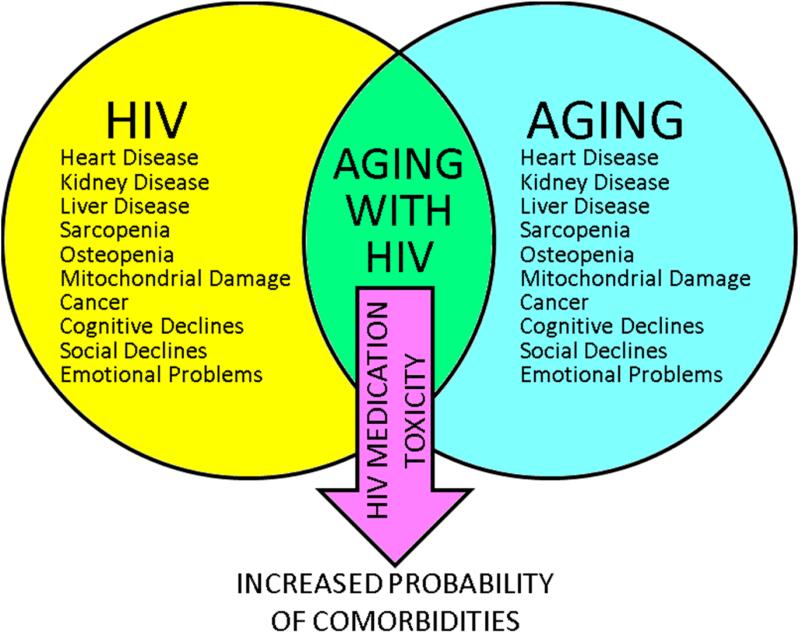
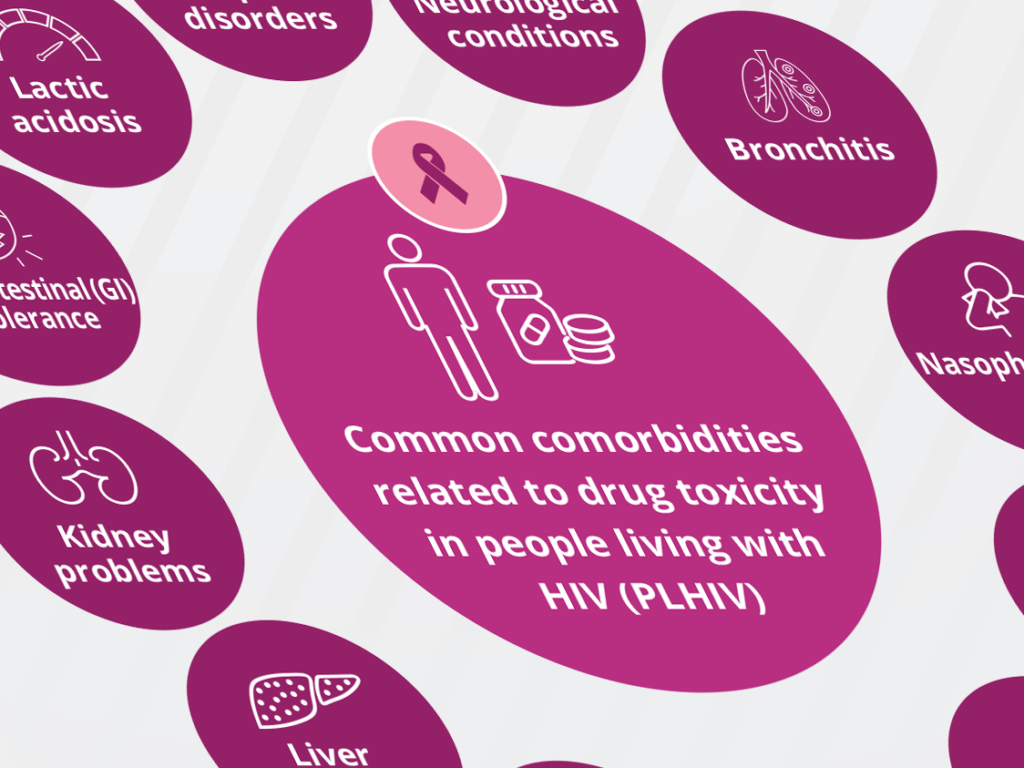
While HIV itself can have serious health consequences, individuals with HIV are also at an increased risk for a number of comorbidities, or co-occurring health conditions, that can further complicate their health and wellbeing.
One of the most common comorbidities associated with HIV is AIDS, or acquired immunodeficiency syndrome. AIDS is a more advanced stage of HIV infection, in which the immune system is severely compromised and the individual is susceptible to a wide range of infections and cancers. While effective treatments for HIV have significantly reduced the risk of developing AIDS, it remains a serious concern for individuals who are not receiving proper treatment.
In addition to AIDS, individuals with HIV are also at an increased risk for a variety of other infections and illnesses. These may include:
- Tuberculosis: Tuberculosis is a bacterial infection that primarily affects the lungs. It is a particularly common comorbidity among individuals with HIV, as the weakened immune system makes it easier for the bacteria to take hold and cause serious illness.
- Hepatitis: Individuals with HIV are also at an increased risk for hepatitis B and C, both of which are viral infections that can cause liver damage and other health problems.
- Cardiovascular disease: HIV has been linked to an increased risk of cardiovascular disease, including heart attack and stroke. This may be due in part to the inflammation and damage that the virus can cause to blood vessels and other tissues.
- Kidney disease: HIV can also cause damage to the kidneys, leading to a variety of kidney-related health problems, including kidney failure.
- Neurological disorders: HIV can also affect the nervous system, leading to a variety of neurological disorders like dementia, neuropathy, and seizures.
- Mental health issues: Individuals with HIV are also at an increased risk for mental health issues like depression, anxiety, and substance abuse. These issues can further complicate the individual’s health and make it more difficult to manage their HIV.
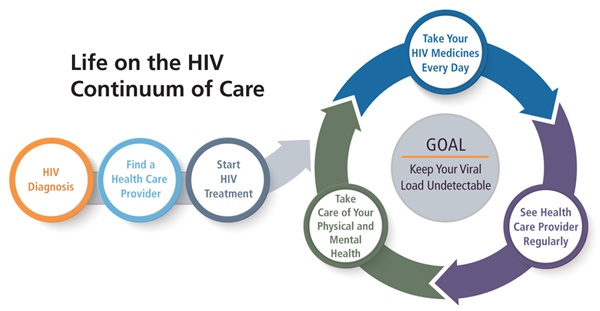
It is important for individuals with HIV to be aware of these potential comorbidities and to take steps to reduce their risk. This may include seeking regular medical care, getting vaccinated against infections like hepatitis B and pneumococcal disease, and making healthy lifestyle choices like quitting smoking and getting regular exercise.
Effective treatment for HIV can also help to reduce the risk of developing comorbidities. Antiretroviral therapy, or ART, is a type of medication that can help to slow the progression of HIV and prevent the virus from replicating in the body. This can help to reduce the risk of developing AIDS and other serious health problems associated with HIV.
In addition to ART, individuals with HIV may also benefit from other medical treatments and interventions designed to manage specific comorbidities. For example, individuals with HIV and tuberculosis may be prescribed a combination of antibiotics to treat both infections. Those with kidney disease may need to receive dialysis or even a kidney transplant.
It is also important for individuals with HIV to take care of their overall health and wellbeing. This may involve making healthy lifestyle choices like eating a balanced diet, getting regular exercise, and avoiding risky behaviors like drug use and unprotected sex. It may also involve seeking mental health support and connecting with others who can provide social support and understanding.
In conclusion, HIV is a serious health condition that can have a variety of comorbidities that further complicate the health and wellbeing of those affected. These comorbidities can include infections like tuberculosis and hepatitis, as well as more chronic health conditions like cardiovascular disease and kidney disease. Effective treatment for HIV, including ART, can help to reduce the risk of developing comorbidities.
Substance Abuse !!
Substance abuse is a pervasive issue that affects millions of people worldwide. It is characterized by the chronic and harmful use of drugs, alcohol, or other substances that can lead to severe physical and mental health problems. Substance abuse can affect people of all ages, genders, races, and socioeconomic backgrounds, and it can have a devastating impact on individuals, families, and communities.
Substance abuse can take many different forms. It may involve the use of illegal drugs like cocaine, heroin, or methamphetamine, or it may involve the misuse of prescription medications like opioids, benzodiazepines, or stimulants. Substance abuse can also include the use of alcohol, nicotine, or other legal substances in ways that are harmful to the body and mind.
The consequences of substance abuse can be severe and long-lasting. Substance abuse can lead to physical health problems like liver disease, heart disease, and lung disease. It can also cause mental health issues like depression, anxiety, and psychosis. Substance abuse can damage relationships, impact job performance, and lead to financial problems. In extreme cases, substance abuse can lead to addiction and overdose, which can be fatal.
There are many different factors that can contribute to substance abuse. Genetics, environment, and personal history all play a role in determining whether an individual is more susceptible to substance abuse. For example, individuals with a family history of substance abuse may be more likely to develop an addiction themselves. Similarly, individuals who have experienced trauma, stress, or other difficult life events may turn to drugs or alcohol as a way of coping with these challenges.
One of the biggest challenges in addressing substance abuse is recognizing when a problem exists. Substance abuse can be difficult to identify, especially in its early stages. Often, individuals who struggle with substance abuse are able to maintain normal social and work lives, even as their drug or alcohol use begins to have a negative impact on their health and wellbeing.
To address substance abuse, it is important to first recognize the signs of a problem. These may include changes in behavior, mood, or physical appearance, as well as problems with relationships, work, or finances. If you suspect that someone you know may be struggling with substance abuse, it is important to offer support and seek help.
There are many different approaches to addressing substance abuse. One of the most effective is through a combination of therapy and medication. Therapy can help individuals to identify the underlying causes of their substance abuse and develop strategies for managing cravings and avoiding triggers. Medications like methadone, buprenorphine, or naltrexone can help to reduce cravings and withdrawal symptoms and improve the chances of long-term recovery.
In addition to therapy and medication, there are many other resources available for individuals struggling with substance abuse. These may include support groups, detox programs, and residential treatment centers. Support groups like Alcoholics Anonymous or Narcotics Anonymous can provide a safe and supportive environment for individuals to share their experiences and receive guidance and encouragement from others who have been through similar struggles.
Detox programs can help individuals to safely and comfortably withdraw from drugs or alcohol under medical supervision. Residential treatment centers provide a more intensive and structured approach to recovery, with round-the-clock support and access to a variety of therapeutic modalities.
Ultimately, the most effective approach to addressing substance abuse will depend on the individual and their unique needs and circumstances. For some, a combination of therapy and medication may be sufficient. For others, a more intensive approach may be necessary. Regardless of the approach, the key to successful recovery is a willingness to seek help and a commitment to making positive changes.
Substance abuse is a serious and complex issue that affects millions of people worldwide. It can have a devastating impact on individuals, families, and communities, and it can be difficult to overcome.
Mental Health Tests !!
Mental health tests are tools used to assess a person’s emotional, social, and cognitive well-being. These tests are designed to help mental health professionals diagnose mental health conditions and determine the appropriate course of treatment. There are many different types of mental health tests, each with its own strengths and limitations.
One of the most commonly used mental health tests is the Diagnostic and Statistical Manual of Mental Disorders (DSM). The DSM is a diagnostic tool used by mental health professionals to diagnose mental health conditions. It contains a list of criteria that must be met for a particular condition to be diagnosed. For example, to be diagnosed with major depressive disorder, a person must experience symptoms such as sadness, loss of interest in activities, and changes in appetite or sleep for at least two weeks.
Another commonly used mental health test is the Beck Depression Inventory (BDI). The BDI is a self-report questionnaire used to assess the severity of depression symptoms. It contains 21 questions, each with four possible responses. The responses are scored on a scale from 0 to 3, with higher scores indicating more severe depression symptoms.
The Hamilton Rating Scale for Anxiety (HRSA) is another widely used mental health test. The HRSA is a clinician-administered questionnaire used to assess the severity of anxiety symptoms. It contains 14 questions, each with multiple possible responses. The responses are scored on a scale from 0 to 4, with higher scores indicating more severe anxiety symptoms.
Other mental health tests include the Minnesota Multiphasic Personality Inventory (MMPI), the Rorschach inkblot test, and the Thematic Apperception Test (TAT). These tests are designed to assess a person’s personality traits, emotional states, and cognitive processes.
While mental health tests can be valuable tools in diagnosing mental health conditions, they are not without limitations. For example, some tests rely on self-report, which can be affected by a person’s mood or motivation at the time of testing. Other tests may be culturally biased, which can result in inaccurate diagnoses for individuals from different cultural backgrounds.
In addition to these limitations, it is essential to remember that mental health tests are just one part of the diagnostic process. Mental health professionals also rely on clinical interviews, observation, and medical history to make a diagnosis. Treatment decisions should be based on a comprehensive assessment of the individual’s needs and preferences, and not solely on the results of a mental health test.
In conclusion, mental health tests are valuable tools in assessing a person’s emotional, social, and cognitive well-being. They can help mental health professionals diagnose mental health conditions and determine the appropriate course of treatment. However, it is essential to remember that mental health tests have limitations and should be used in conjunction with other assessment tools. If you are concerned about your mental health, it is essential to seek the advice of a qualified mental health professional.
Mental Health Awareness !!
Mental health refers to a person’s overall psychological well-being. It encompasses an individual’s emotional, social, and cognitive well-being, and is a fundamental aspect of their overall health. While physical health is typically easier to identify and measure, mental health can often be overlooked or stigmatized, leading to negative consequences for individuals and society as a whole.
Mental health is a critical component of a person’s overall health and well-being. It affects how individuals think, feel, and act, and it plays a significant role in their ability to cope with stress, maintain relationships, and achieve their goals. Poor mental health can have severe consequences, including depression, anxiety, substance abuse, and suicide.
Mental health awareness
The World Health Organization (WHO) estimates that one in four people worldwide will experience a mental health condition at some point in their lives. Despite the prevalence of mental health issues, there is still a significant stigma surrounding mental illness. People with mental health issues are often marginalized, discriminated against, and not given the same level of care as those with physical health issues.
The stigma surrounding mental health can prevent individuals from seeking the care and support they need. It can also lead to feelings of shame and isolation, which can exacerbate mental health problems. For this reason, it is essential to take steps to break down the stigma and promote mental health awareness.
There are many ways to promote good mental health. One of the most effective ways is to focus on prevention. This involves identifying and addressing risk factors that can lead to poor mental health, such as stress, social isolation, and substance abuse. Prevention also involves promoting protective factors, such as social support, healthy coping skills, and resilience.
Another crucial aspect of mental health is early intervention. Identifying and treating mental health issues early can prevent them from becoming more severe and help individuals to get back on track quickly. This can involve therapy, medication, or a combination of both, depending on the individual’s needs and preferences.
- Building and maintaining strong social connections
- Engaging in regular exercise and physical activity
- Practicing stress-management techniques such as meditation, yoga, or deep breathing
- Getting enough sleep and maintaining a healthy diet
- Taking time for self-care and relaxation
- Seeking support from trusted friends, family, or mental health professionals.
It is essential to remember that mental health is a complex and multi-faceted issue. There is no one-size-fits-all solution, and everyone’s journey to good mental health will be different. However, by promoting awareness, reducing stigma, and providing support and resources, we can help individuals and communities achieve better mental health outcomes.
Mental health among Transgender individuals
A transgender (often abbreviated as trans) person is someone whose gender identity does not correspond with their sex assigned at birth.
Due to this “difference” as our society has assumed, there has been discrimination against transgender individuals for years on end, not realizing that they are just as human as we are. Despite legislation transgender community faces harassment, discrimination and abuse. Not only are they bullied in school and denied employment, they are rejected by their family as well, thrown out onto the streets without any job or food, not considering for once where exactly they went wrong to deserve such treatment from their loved ones as well.
In this article, I would like to discuss about the mental disorders faced by these transgender individuals due to our negligence and non-acceptance towards them.
Mental health disorders faced by transgender individuals:
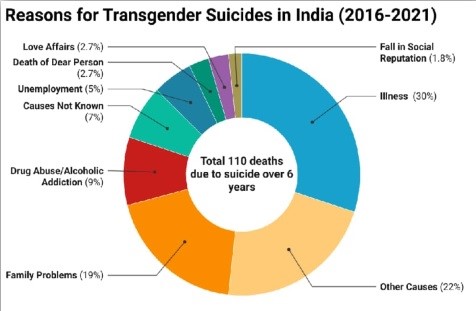
Transgender individuals are at high risk at serious mental health outcomes due to minority stress – the stress faced by individuals who are categorised as stigmatized social minority groups.
Transgender people are more likely to struggle with extreme level of depression, anxiety, low self-esteem, and suicidal thoughts than the general population.
All transgender individuals face an emotional condition known as the gender dysphoria. It is a term that describes a sense of discomfort or unease that a person may feel because of a mismatch between their biological sex and their gender identity. This dissatisfaction can be so intense, it can lead to chronic stress as well.
Normally, they are denied employment which compels them to earn a living by begging or as a sex worker, which may be the cause low self-esteem.
Transgender women experience severe depression and have higher rate of suicide attempts as compared to the general population. Emotional and sexual abuse faced by transgender women is a very common reason for their depression. Sex work is the only source of income for these individuals.
Transgender men face comparable amount of physical and emotional abuse as well. Transgender individuals have been publicly harassed and beaten up time and again, infrequently murdered or just left to die. These events give rise to serious mental health issues, which may cause them to take their own lives.
Not only adults, but trans teens are bullied and teased at school. The social criticism and the pressure to fit into gender norms causes severe trauma. They are often taunted which may cause panic attacks or stress-related seizures. These traumatic experiences increases self-harm risks among them as well. At a very young age these individuals are forced to take in hateful comments about themselves which also results in lack of confidence and low self-esteem.
Due to this insensitive behavior towards transgender individuals, it has caused them immense pain and insecurity about themselves when their only “crime” according to our society was they chose to not lose their identity despite being socially stigmatized.
Although studies have shown transgender people who are respected by their family, socially supported and accepted have a comparatively better mental state than the one’s who are not.
How can the society contribute to transgender equality?
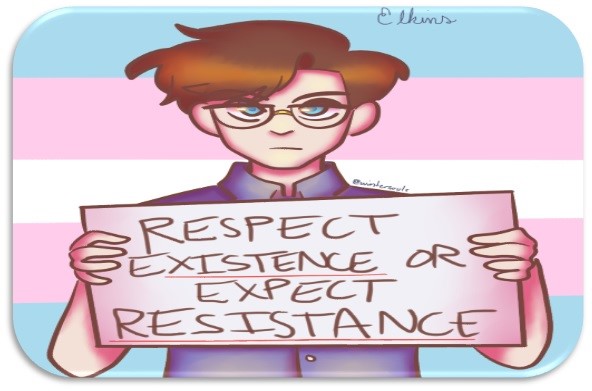
Just like any other human being, transgender individuals also have equal rights and freedom to live a life they desire.
Being equally treated and respected by our society is all it takes to make a change. We often tend to forget how equitably unique they are just because these individuals do not fit the social norms.
We can respect someone’s identity even when it’s not completely clear to us. It is necessary to ask ourselves “Do I really need to know this information to treat them respectfully?” It is crucial for us to keep this in mind these individuals need a comfortable environment just as we would. Putting ourselves in their shoes and rethinking our words to them can make a huge difference.
Equal opportunities provided to all trans youth and adult can turn out to be yet another way our society can prove to be respectful and acceptance towards them. Instead of overlooking their talents and brilliance, we can be appreciative by giving them access to reverential working grounds.
Youngsters usually learn from adults itself, instead of being critical towards trans youth, we should always teach our children to stand up for them. This simple initiative can change the lives of these youths, prevention of bullying in schools will provide safe and comfortable educational grounds as well.
It’s always the small gestures that matter, initiating a respectful conversation with them may as well make them feel wanted and seen.
It’s about time we start making a change and break the social stigma.
Even though our society has been considerably tolerant towards transgender individuals, tolerance isn’t enough, it’s acceptance that will help them grow comfortable in their skin.
These individuals are still suffering from family rejection, social pressure and unemployment.
Their mental health is considered a joke, they’re still being taunted and tortured in every aspect of their life which is absolutely not acceptable.
As I mentioned before, they are just as human as we are, it’s time we start treating them as our equals and accepting them with open arms.
Article by – Subhomita Seal
Importance of Mental Health Awareness !!
Mental Health Awareness has been the ‘talk’ up right up to the present day, particularly among the teens which you can see all over virtual entertainment, bringing issues to light and teaching individuals about this issue. This is a sort of disease that you can’t really perceive in an impression — an inner emergency inside an individual includes changing in feeling, perspective, and conduct.
As per the Public Establishment of Emotional well-being (NIMH), just about one out of five U.S grown-ups experiences psychological sickness which is 52.9 million out of 2020. It goes from gentle to direct to extreme. Nervousness, sadness, injury, dietary issues, and much more are a sort of emotional wellness disease that are not genuinely apparent. By this clarification, we don’t have the foggiest idea the number of individuals that experience peacefully and it very well may be somebody you know or love. This is a significant issue since it can deteriorate and could prompt self-hurting.
As our reality spins, a few issues arise that can influence individuals in various ways including our emotional well-being. Issues around Coronavirus left us compromised and we went through isolation which made most of us experience exactly the same thing like detachment, dejection, nervousness, and wretchedness. As indicated by the Workplace of Populace Issues, an authority site of the US government, 49.5% of teenagers have had a psychological problem. Teens likewise became defenseless against this particularly when the quarantine began, which they should be at school and partaking in their teen life. Notwithstanding, it is said that this sort of involvement where they feel different feelings is something typical for youngsters as a piece of their turn of events.
Beside being essential for their development, a few variables have shown to be significant stressors in many teens’ lives that cause mental issues. It very well may be because of their current circumstance, school life, family issues, negative treatment, and inner turmoil. As a matter of fact, anybody could encounter this paying little mind to progress in years that could prompt mental problems.
We can utilize our voice to spread mindfulness about emotional wellness issues which a few of us are looking right now. We would rather not face a daily reality such that we feel that we carry on with a single life and we don’t believe others should go through it. Dealing with one’s psychological well-being is something fundamental for our prosperity and how we impact individuals around us. Talk, utilize your voice, and battle for psychological wellness mindfulness!
Importance of Mental Health Awareness in Schools
Seeing the Signs in Students
Mental health awareness is equally as important as physical health.
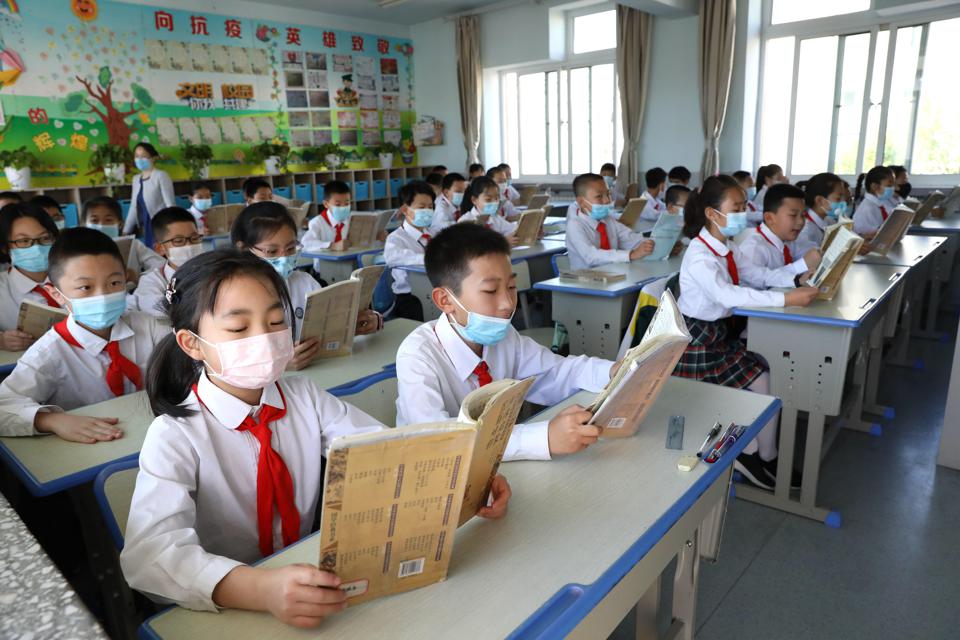
Although you often can’t see it with your bare eyes, a mental health problem can cause serious damage to a person’s life and well-being. For us to work on mental health issues prevention, we need to raise awareness about these problems. Schools are definitely one of the places where mental health awareness needs to be at a high level.
The importance of mental health awareness in schools is immense. Let’s break it down together and take a deeper look at why we need schools on board with spreading awareness about mental health.
1. Closing the Gap
Schools are supposed to help our younger generations prepare for the world that awaits and all the obstacles they might run into.
Most schools today teach:
- Physical health
- Nutrition
- Sex education
However, there’s a gap when it comes to mental health. Without proper education, students won’t’ know how to:
- Recognize the problem they’re experiencing
- Open up about it
- Look for help
- Help other peers with similar or other mental health problem
This gap needs to be closed and the children need to have a chance of dealing with mental health problems just like they’ll deal with any other problem.
2. Suicide & Mental Illnesses
Suicide is one of the leading causes of death ages 10-25, world-wide. In addition, most of the people who have committed suicide, have suffered from a mental illness.
To lower the increasing suicide rate and prevent young people from taking their own lives away, we need to raise awareness about mental health in our schools.
Learning about mental health illnesses will leave a positive impact on the students struggling:
- They’ll learn about therapy and how to treat their problem
- They’ll be more ready to talk about it
- They’ll acknowledge that they have a problem
All of the above will hopefully lower the suicide rate and offer the young people a solution other than ending their life.
“Schools need to adopt the policy of advocating mental health awareness and speaking up about your problems. Our students need someone to push them in the right direction and help them start a journey of therapy and healing
3. Early Intervention
Just like with any other disease or health problem, early interventions are important in mental health.
Teachers, school counselors, school psychologists, and peers need to learn about:
- Detecting the early signs of mental health issues
- Spotting the meaningful changes in behavior
- Acting at the first sign of a potential mental health problem
If the mental illness is in its early stage, there’s a chance of stopping it from being fully-blown. Everyone involved in a typical school day of a person experiencing mental health problems needs to be on board and help them deal with it.
4. Social Media Influence
While we love using social media to get informed, find entertainment, and connect with our friends, there’s a dark side to it that not many people are talking about.
The truth is, social media can leave consequences and deep scars in the minds of the users, especially the younger generations.
Watching rich, famous, successful, and celebrity people on social media can cause mental health problems with young children:
- Low self-image
- Body issues
- Depression
- Anxiety
Since social media is on its rise, with nearly 3.5 billion active users worldwide, the effect it has on the young people around our schools is mind-blowing.
With this kind of a new threat, schools need to raise the bar in mental health awareness and ensure their students are learning about:
- Self-love
- System of values
- Loving everyone
- Not judging people
- Talking about their insecurities openly
This would be beneficial for the proper development of students and preventing them to feel demoralized or depressed.
5. Eliminating the Cause
While it’s important to learn about the negative effects of mental health issues, and how to treat them, it’s also important to learn about the main causes.
Learning about the causes of stress, depression, or anxiety is important and the school can be a major trigger for most students experiencing mental health issues.
Students feel stressed out due to:
- School pressure
- Peer pressure
- Bullying at school
- Overly strict teachers
- Too much workload
- The pressure to have high grades
If everyone in school knew what stressed out the students the most, they would find a way to eliminate these stress factors and create a warmer and relaxing atmosphere at school.
This will further help the children find their peace and balance and eliminate the feeling of pressure, anxiety, and stress, which could further develop into even more severe mental health issues.
Final Thoughts
It is highly important to raise mental health awareness in schools since young people are seriously affected by mental health issues every day. They need a system they can rely on and a source of information to guide them through the process of dealing with their inner issues.
Schools need to initiate changes and get as many people, students, teachers, and other school employees to work on raising mental health awareness. Start with yourself and initiate a change in your school today.
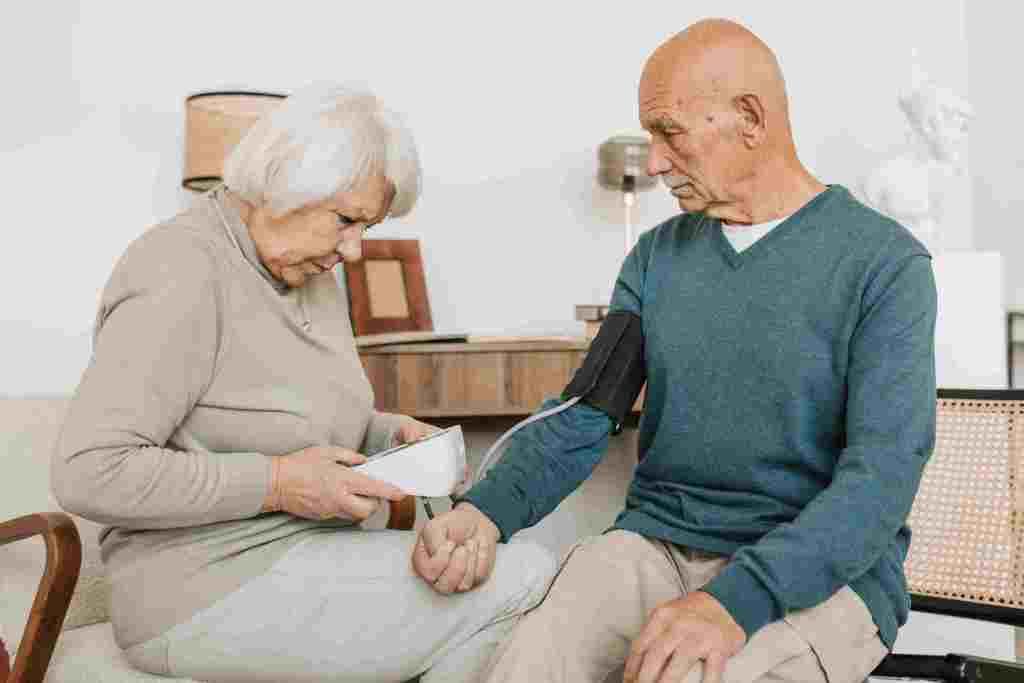
The Top 10 Health Concerns for Senior Citizens
Your family ancestry, age and way of life assume an enormous part in your gamble for specific ailments. Notwithstanding, countless wellbeing worries for seniors can be forestalled or the movement eased back by making savvy, sound decisions and visiting your primary care physician for customary screening.
Probably the most well-known Health Concerns for Senior Citizens are:
- Cognitive decline. While some memory loss is common as you age, developing Alzheimer’s disease is not. It’s important to recognize the early warning signs of Alzheimer’s, as early intervention and treatment can be key in slowing the progression of the disease. As many as one in five seniors experience mental health issues not associated with aging.
- Balance issues. Falls are the leading cause of injury among older adults, and maintaining your balance and mobility is key in fall prevention.
- Oral health problems. Not all seniors lose their teeth, but issues like gingivitis that leads to periodontitis, a bacterial infection that affects the gums and bones supporting the teeth, can be common in older adults. Proper oral care and seeing the dentist for a cleaning every six months can help ensure your teeth and gums are as healthy as possible.
- Heart disease. Heart disease is the leading cause of death for adults over the age of 65. Conditions like high blood pressure and high cholesterol need to be managed properly and taking good care of your heart are vital to avoid developing heart disease in your later years.
- Osteoarthritis or osteoporosis. The National Osteoporosis Foundation reports that around 54 million adults over age 50 have low bone mass or osteoporosis, and almost all adults over age 80 have some form of osteoarthritis. Exercising regularly and eating a healthy diet can help protect your bones and joints.
- Respiratory diseases. Conditions like asthma or chronic obstructive pulmonary disease (COPD) can worsen the older you become. However, there are variety of medications available that allow you to breathe easier.
- It’s estimated that 25 percent of adults age 65 and older have type 2 diabetes. The sooner you know you are at risk or have diabetes, the sooner you can begin managing your blood sugar and making lifestyle changes that can better control it.
- Influenza or pneumonia. Infections like the flu or pneumonia aren’t specifically senior illnesses, however, seniors are more vulnerable to them and due to weakened immune systems, may be less likely to successfully recover from them.
- Vision or hearing loss. Maintaining regular screenings for your vision and hearing is vital as you age. Age-related eye issues like macular degeneration, cataracts and glaucoma affect millions of older adults, and 43 percent of people who experience hearing loss are 65 or older.
- The risk for some types of Cancer also increases as you age. For example, women become more at risk for cervical or endometrial cancers, while men have a higher risk for prostate cancer. While preventing cancer altogether may not be possible, screenings to detect certain cancers in the early stages can help effectively treat them.
Although these were just a few concerns for the senior citizens in there old age , the concerns may be many more than these , hence keeping an eye and precautions on the health of Seniors from the very initial stage is very much required !!
Planning for a healthy future in your later years is as important as planning for your financial future. Seniors often face a variety of health conditions that can affect their overall quality of life. By learning about what the top 10 health concerns for seniors are, you can make some adjustments to your lifestyle that can allow you to age as healthy as possible.